
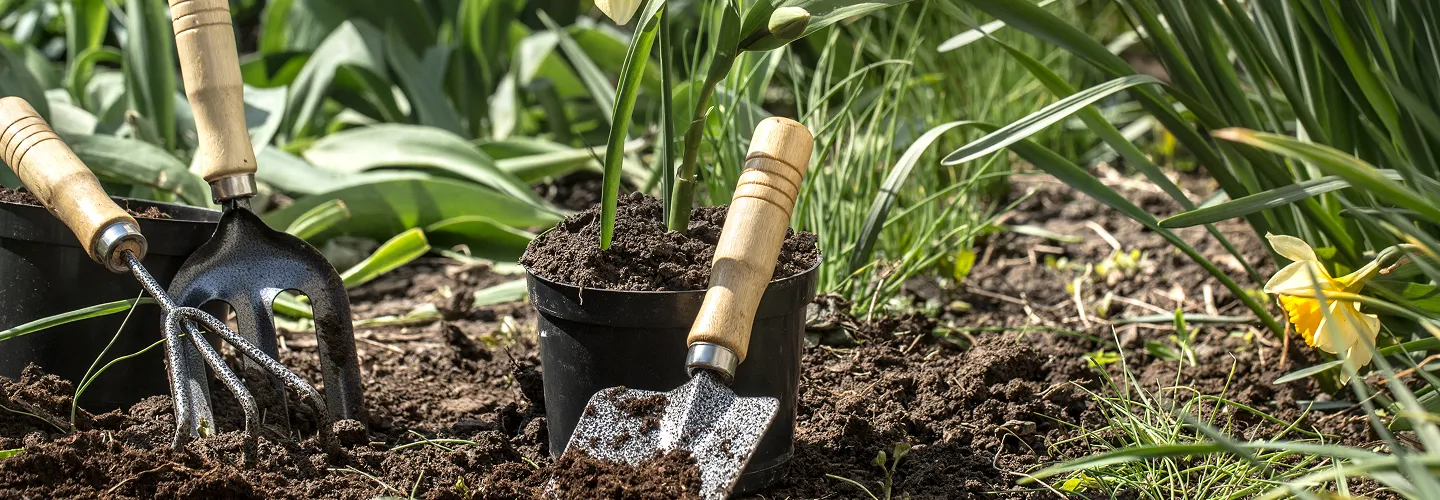
Elgin Flower Planting Services
Choose our flower planting services for vibrant, healthy blooms that enhance your curb appeal and bring lasting beauty to your outdoor spaces—our experienced team ensures every garden thrives with personalized care and attention.
Get a Free QuoteOur Elgin Landscaping & Yard Care Services
When to Schedule Flower Planting in Elgin, Texas – Seasonal Guide
Flower planting in Elgin, Texas, is best scheduled with careful attention to our region’s unique climate and landscape. The ideal planting windows are typically early spring, after the last frost date—usually in late March—or in early fall, when temperatures begin to cool but before the first frost arrives. Elgin’s weather can be unpredictable, with hot, humid summers and occasional drought conditions, so timing your planting to avoid extreme heat and maximize rainfall is crucial for healthy blooms. Neighborhoods near Morris Memorial Park or along County Line Road may experience slightly different microclimates, so it’s important to consider your specific location.
Local environmental factors such as soil composition—often a mix of clay and sandy loam—can impact drainage and root development. Areas with dense shade from mature oaks or pecans, like those found in the Shenandoah neighborhood, may require shade-tolerant varieties and careful placement. Be mindful of municipal watering restrictions, which can affect your planting schedule and ongoing care. For more detailed local guidelines, you can consult resources like the Sudbury town website.
Local Factors to Consider for Flower Planting in Elgin
- Proximity to large trees and resulting shade coverage
- Soil type and drainage characteristics
- Average precipitation and drought risk
- Frost dates and seasonal temperature swings
- Terrain slope and erosion potential
- Municipal watering restrictions and guidelines
Benefits of Flower Planting in Elgin
Expert Landscaping Services
Customized Garden Designs
Seasonal Plant Selection
Enhanced Curb Appeal
Professional Maintenance Support
Eco-Friendly Planting Solutions
Elgin Flower Planting Types

Annual Flower Beds
-
Perennial Gardens
-
Native Wildflower Plantings
-
Pollinator-Friendly Gardens
-
Seasonal Container Displays
-
Shade Garden Plantings
-
Drought-Tolerant Flower Beds
Our Flower Planting Process
Site Evaluation
Soil Preparation
Plant Selection
Careful Planting
Watering and Mulching
Why Choose Elgin Landscape Services
-
Elgin Homeowners Trust Us
-
Comprehensive Lawn Maintenance
-
Competitive Pricing
-
Professional Team
-
Satisfaction Guarantee
-
Personalized Service
-
Reliable Scheduling
Soil Series and Drainage Considerations for Flower Planting in Elgin
Elgin’s predominant soils, including Houston Black clay and Burleson clay loam, present unique challenges for flower planting due to their high clay content, slow drainage, and tendency toward compaction. These soils typically exhibit a pH range of 7.5-8.2, which can limit nutrient availability for many ornamental species. Before planting, it is recommended to incorporate 2-3 inches of compost tilled to a 6-inch depth and to conduct a soil test through Texas A&M AgriLife Extension (typical cost: $15-25). For optimal root development, raised beds or amended planting holes are advised in areas with poor drainage. Avoid planting in low-lying spots where water pools after rainfall. Research local soil series using the USDA Web Soil Survey for site-specific recommendations.
Elgin Public Works Department
310 N Main St, Elgin, TX 78621
Phone: (512) 281-5724
Official Website: Elgin Public Works Department
can provide guidance on soil management and drainage improvements.
Seasonal Timing and Climate Zone Guidance for Elgin Flower Planting
Elgin is located in USDA Hardiness Zone 8b, with average annual minimum temperatures of 15-20°F. The optimal window for planting most perennial flowers is from March 1 to April 15, when soil temperatures reach 55°F. Fall planting is also effective from October 1 to November 15, allowing roots to establish before winter. Avoid planting during peak summer (June-August), as high temperatures and drought stress can impede establishment. Monitor local weather forecasts through the National Weather Service Austin/San Antonio Office for frost dates and rainfall patterns. Key timing recommendations include:
- Spring planting: March 1 – April 15 (soil temp 55°F+)
- Fall planting: October 1 – November 15
- Avoid: June-August (heat/drought stress)
- Water new plantings 1 inch/week during establishment
Native and Adaptive Flower Species Selection for Elgin’s Conditions
Selecting species suited to Elgin’s climate and soils is essential for sustainable flower planting. Native and adaptive perennials such as Black-eyed Susan (Rudbeckia hirta), Purple coneflower (Echinacea purpurea), and Autumn sage (Salvia greggii) thrive in local conditions. For areas with partial shade, consider Turk’s cap (Malvaviscus arboreus) and Heartleaf skullcap (Scutellaria ovata). Deer-resistant options include Russian sage (Perovskia atriplicifolia) and lantana (Lantana camara). Recommended spacing is 12-18 inches for most perennials to ensure airflow and reduce disease risk. For detailed plant lists and diagnostic support, consult Texas A&M AgriLife Extension. Species recommendations:
- Full sun: Black-eyed Susan, coneflower, daylily
- Partial shade: Turk’s cap, heartleaf skullcap, columbine
- Deer resistant: Russian sage, lantana, salvia
- Native options: Winecup, standing cypress, mealy blue sage
Municipal Regulations and Environmental Compliance for Flower Planting in Elgin
Flower planting activities in Elgin must comply with city ordinances regarding property setbacks, right-of-way planting, and stormwater protection. Planting within 10 feet of public sidewalks or utility easements requires review by the city’s Planning and Development Department. Maintain a 25-foot buffer from wetlands and drainage ditches to comply with Texas Water Code and Clean Water Act requirements. The city’s MS4 permit prohibits soil, mulch, or plant debris from entering storm drains. Key compliance steps:
- Maintain 25-foot buffer from wetlands/drainage
- No planting in public right-of-way without approval
- Prohibit debris in storm drains (MS4 compliance)
- Observe property line setbacks per city code
Elgin Planning and Development Department
310 N Main St, Elgin, TX 78621
Phone: (512) 229-3222
Official Website: Elgin Planning and Development Department
provides permit guidance and code information.
Safety Protocols and Equipment Standards for Flower Planting in Elgin
All flower planting operations in Elgin must adhere to municipal safety standards and equipment operation hours. The city restricts powered equipment use to:
- Monday-Friday: 7:00 AM – 7:00 PM
- Saturday: 8:00 AM – 6:00 PM
- Sunday and holidays: Prohibited Personal protective equipment (PPE) is required, including ANSI Z87.1 safety glasses, hearing protection for noise above 85 dB, and steel-toed boots. When working within 15 feet of public roads or utilities, high-visibility vests and traffic cones are mandatory. Equipment must be maintained to prevent fuel or oil leaks, and all operators should be trained in safe handling of tools and materials. For additional safety guidance, contact:
Elgin Code Compliance Division
310 N Main St, Elgin, TX 78621
Phone: (512) 229-3222
Official Website: Elgin Code Compliance Division
What Neighborhoods Do We Serve Throughout Elgin, TX?
- Historic Downtown: Features compacted urban soils and mature trees, requiring careful soil amendment and root zone protection during planting.
- Saratoga Farms: Newer development with moderate drainage and larger lots, allowing for diverse perennial beds and easier equipment access.
- Elgin Meadows: Subdivision with heavy clay soils and periodic drainage issues, necessitating raised beds and compost incorporation for successful flower establishment.
- County Line Estates: Rural-edge area with sandy loam soils and exposure to wind, favoring drought-tolerant and wind-resistant species.
- Pleasant Grove: Proximity to wetlands and seasonal creeks requires strict buffer compliance and selection of moisture-tolerant native flowers.
- Shadow Creek: HOA-managed neighborhood with uniform landscaping standards and restrictions on planting in common areas or near utility easements.
- Sunset Heights: Older residential area with narrow lots, overhead utilities, and limited equipment access, requiring manual planting methods and careful planning.