
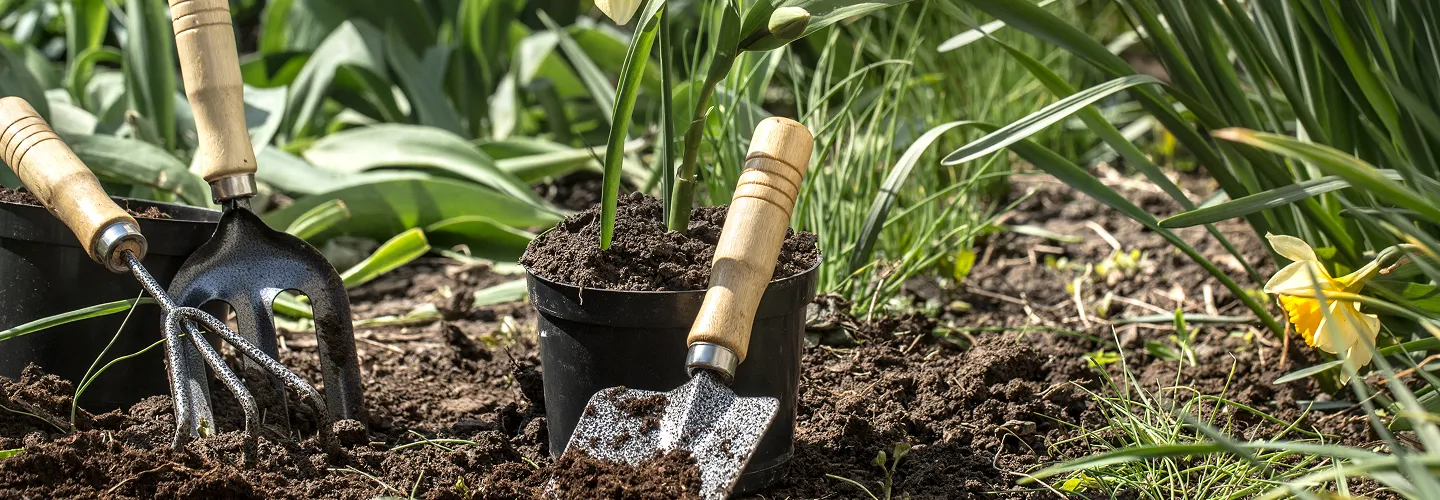
Elgin Plant Removal Services
Choose our plant removal services for fast, safe, and environmentally responsible solutions that restore your landscape’s beauty and health—handled by experienced professionals you can trust.
Get a Free QuoteOur Elgin Landscaping & Yard Care Services
When to Schedule Plant Removal in Elgin, Texas – Seasonal Guide
In Elgin, Texas, timing your plant removal project is crucial for both the health of your landscape and the efficiency of the process. The best periods for plant removal typically fall between late winter and early spring, just before new growth begins. This window allows for easier root extraction and minimizes disruption to surrounding vegetation. Elgin’s climate, characterized by hot summers, mild winters, and variable rainfall, means that scheduling around the last frost date—usually in early March—is ideal. Neighborhoods near Morris Memorial Park and along County Line Road often experience microclimates, so it’s important to consider local conditions.
Environmental factors such as drought risk, high humidity, and the region’s clay-heavy soils can all impact the timing and method of plant removal. Areas with dense shade, like those near Elgin Memorial Park, may require different approaches compared to sunnier, open lots. Additionally, municipal guidelines and seasonal restrictions may apply; for more information, consult the official city resources.
Local Factors to Consider for Plant Removal in Elgin
- Tree and shrub density in your yard
- Terrain slope and soil composition (clay, sand, or loam)
- Average precipitation and risk of drought
- Frost dates and seasonal temperature swings
- Shade coverage from mature trees or nearby structures
- Municipal restrictions or permit requirements
- Proximity to local landmarks or protected areas
Benefits of Plant Removal in Elgin

Expert Landscaping Team
Efficient Plant Removal
Eco-Friendly Disposal
Improved Curb Appeal
Customized Solutions
Competitive Pricing

Elgin Plant Removal Types

Tree Removal
-
Shrub Removal
-
Stump Grinding
-
Invasive Species Removal
-
Root System Extraction
-
Hedge Clearing
-
Overgrowth Management
Our Plant Removal Process
Site Evaluation
Preparation and Safety Measures
Plant Extraction
Debris Removal
Site Restoration
Why Choose Elgin Landscape Services
-
Elgin Homeowners Trust Us
-
Comprehensive Lawn Maintenance
-
Competitive Pricing
-
Professional Team
-
Satisfaction Guarantee
-
Personalized Service
-
Reliable Scheduling
Plant Removal Ordinances and Permit Requirements in Elgin
Plant removal activities in Elgin are governed by specific municipal ordinances to ensure public safety, environmental protection, and orderly neighborhood conditions. Removal of trees with a diameter at breast height (DBH) greater than 6 inches, or any vegetation within 50 feet of designated wetlands, requires a permit from the city. The application fee is typically $50, with a review period of 10 business days. Equipment operation for plant removal is permitted during the following hours:
- Monday-Friday: 7:00 AM - 7:00 PM
- Saturday: 8:00 AM - 6:00 PM
- Sunday and holidays: Prohibited
All debris must be disposed of according to city guidelines, which prohibit dumping in storm drains or public rights-of-way. For detailed permit procedures and ordinance compliance, coordinate with:
Elgin Code Compliance Division
310 N Main St, Elgin, TX 78621
Phone: (512) 281-0118
Official Website: Elgin Code Compliance Division
Soil Series and Site Conditions Affecting Plant Removal in Elgin
Elgin’s predominant soils, including Houston Black clay and Burleson clay, are characterized by high clay content, poor drainage, and a tendency for compaction. These Vertisols have a pH range of 7.5-8.2 and can become waterlogged after heavy rainfall, complicating root extraction and debris removal. When removing plants, it is recommended to:
- Schedule work when soil moisture is moderate (avoid saturated or extremely dry conditions)
- Use equipment capable of penetrating dense clay (e.g., spade shovels, mechanical augers)
- Incorporate 2-3 inches of compost to improve soil structure post-removal
- Conduct soil testing through Texas A&M AgriLife Extension (typical cost: $15-25)
For site-specific soil data, consult the USDA Web Soil Survey. These practices help prevent soil compaction and support successful replanting or restoration.
Environmental Compliance: Stormwater, Wetlands, and Buffer Zones in Elgin
Plant removal near Elgin’s streams, wetlands, and stormwater conveyances must comply with federal and state environmental regulations, including the Clean Water Act and Texas Water Code. The city’s MS4 permit prohibits the discharge of plant debris or soil into storm drains. Maintain a minimum 25-foot no-disturbance buffer from wetlands and 50 feet from perennial streams. Prohibited practices include:
- Depositing debris in drainage ditches or waterways
- Removing vegetation within protected buffer zones
- Using herbicides within 50 feet of water bodies
For guidance on buffer requirements and stormwater compliance, contact:
Elgin Public Works Department
310 N Main St, Elgin, TX 78621
Phone: (512) 281-5724
Official Website: Elgin Public Works Department
State-level oversight is provided by:
Texas Commission on Environmental Quality (TCEQ)
12100 Park 35 Circle, Austin, TX 78753
Phone: (512) 239-1000
Official Website: Texas Commission on Environmental Quality
Seasonal Timing and Weather Considerations for Plant Removal in Elgin
Elgin is located in USDA Hardiness Zone 8b, with average annual minimum temperatures of 15-20°F. The optimal window for plant removal is late fall (November-December) or early spring (February-March), when soil temperatures range from 50-65°F and plant dormancy reduces regrowth risk. Avoid removal during peak summer (June-August) due to heat stress and soil hardness. Monitor local weather forecasts through the National Weather Service Austin/San Antonio Office to avoid scheduling work during heavy rainfall or severe weather events. Recommended timing guidelines:
- Spring removal: February 15 - March 31
- Fall removal: November 1 - December 15
- Avoid: June-August (soil compaction, heat stress)
These timing practices help minimize soil disturbance and support compliance with city and state regulations.
Safety Protocols and Equipment Standards for Plant Removal in Elgin
All plant removal operations in Elgin must adhere to municipal safety standards and equipment requirements. Operators are required to maintain a 15-foot clearance from overhead utilities and wear the following personal protective equipment (PPE):
- Eye protection: ANSI Z87.1 safety glasses
- Hearing protection: Earmuffs or plugs for noise above 85 dB
- Footwear: Steel-toed boots with non-slip soles
- Gloves: Cut-resistant for pruning, chemical-resistant for herbicide use
Commercial-grade equipment must be maintained with functional mufflers and blades sharpened every 20-25 hours of use. When working near public roads, set up advance warning signs 500 feet from the work zone and use safety cones to mark equipment staging areas. For additional safety guidance, consult:
Elgin Building Division
310 N Main St, Elgin, TX 78621
Phone: (512) 229-3222
Official Website: Elgin Building Division
What Neighborhoods Do We Serve Throughout Elgin, TX?
- Historic Downtown: Features mature trees and compacted urban soils, requiring careful root extraction and compliance with historic district landscaping standards.
- Saratoga Farms: Newer development with expansive lots and moderate clay soils, presenting fewer access limitations but requiring attention to drainage patterns.
- Elgin Meadows: Suburban area with moderate tree density and HOA landscaping guidelines, necessitating adherence to community standards for debris removal and noise.
- County Line Estates: Larger rural lots with heavy clay soils and proximity to seasonal creeks, requiring buffer zone compliance and specialized equipment for soil penetration.
- Pleasant Grove: Located near floodplains and conservation areas, this neighborhood demands strict adherence to wetland buffer regulations and careful debris management.
- Sunset Heights: Older residential area with narrow streets and overhead utilities, presenting access challenges and increased safety requirements for equipment operation.
- Trinity Ranch: Features new construction and mixed soil types, with ongoing development requiring coordination with city planning and adherence to evolving zoning requirements.